Dental Implants Bakersfield CA for a Natural-Looking Smile
@rowanrgiw937
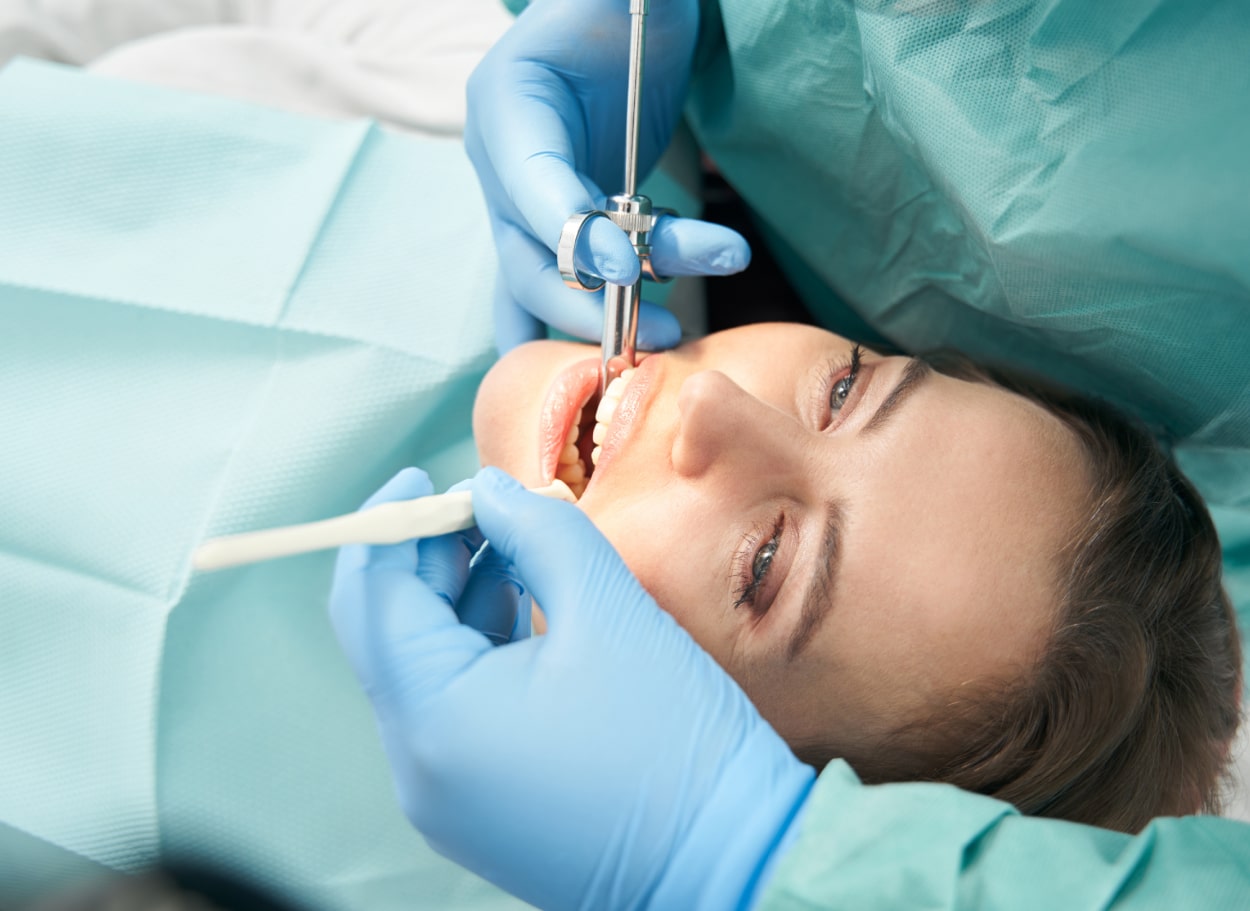
A missing tooth changes more than a smile. It affects the way a person eats, speaks, and carries themselves in a room. In practice, that shift is often subtle at first. Someone learns to chew on one side. They smile with closed lips in photos. They stop ordering certain foods. Months later, the gap feels bigger than it looks.
That is why so many patients exploring Dental Implants Bakersfield CA are not simply looking for a replacement tooth. They want something that feels stable, blends in naturally, and lets them stop thinking about what is missing. Dental implants can do that remarkably well when the case is planned carefully and the final restoration is shaped to suit the person, not just the space.
The appeal of implants is easy to understand. They are designed to replace the root of a tooth, not only the visible crown. That support matters. It creates a secure foundation, helps preserve bone over time, and gives the final tooth a more lifelike presence in the mouth. A bridge can look nice. A denture can fill a gap. But an implant often comes closest to restoring the feeling of having your own tooth back.
What makes an implant smile look natural
Patients often ask for a tooth that “looks real,” but natural-looking dentistry is more specific than that. A convincing implant restoration depends on proportion, position, shape, color, and the health of the surrounding gum tissue. Even a beautifully made crown can look artificial if the gum line is uneven or if the tooth sits too flat against the smile.
A natural result usually starts with restraint. The best implant crown rarely announces itself. It matches neighboring teeth in brightness, surface texture, and translucency. Real enamel is not one flat shade of white. It reflects light differently at the edge than it does near the gum. Good cosmetic planning accounts for these small details.
Gum tissue plays an equally important role. If the tissue around an implant is healthy and properly contoured, the tooth tends to blend in. If the gum recedes or appears bulky, the eye goes straight to the restoration. In the front of the mouth, millimeters matter. A tiny difference in height between one gum margin and the next can be visible when a person speaks.
That is one reason experienced implant providers spend so much time on diagnostics. X-rays, digital scans, photographs, and bite analysis help determine not only whether an implant can be placed, but whether it can be placed in a way that supports an attractive result. There is a difference between filling a space and creating harmony.
Why implants are often chosen over bridges or dentures
There is no single right solution for every missing tooth. A bridge may be appropriate in some cases, especially if neighboring teeth already need crowns. A removable partial denture may suit someone looking for a lower upfront cost. Still, implants have gained broad acceptance because they solve several problems at once.
Unlike a traditional bridge, an implant does not usually require reshaping adjacent healthy teeth for support. That can be a meaningful advantage, especially for patients with intact enamel on either side of the space. Preserving natural tooth structure matters.
Implants also tend to feel more secure than removable options. Patients who have struggled with movement, pressure spots, or the inconvenience of taking a prosthesis in and out often notice the difference immediately. With a well-integrated implant, the chewing experience feels steadier and more intuitive.
There is also the long-term issue of bone. When a tooth root is lost, the jawbone in that area begins to shrink over time because it is no longer receiving normal stimulation. An implant helps Dental Implants Bakersfield CA address that by transferring force into the bone during function. It is not a guarantee against every change, but it is one of the few tooth replacement methods that actively supports the underlying structure.
Bakersfield patients often ask about candidacy
Not everyone is an ideal implant candidate on day one, but many more people qualify than they expect. Age alone is rarely the deciding factor. Overall health, bone quality, gum condition, smoking habits, and oral hygiene tend to matter more.
A patient in their seventies with good health and solid bone can be a better candidate than a younger person with untreated periodontal disease and heavy tobacco use. The mouth has to be healthy enough to heal. The implant has to be placed in bone that can support it. The patient also needs to be willing to maintain the result after treatment.
The most common factors a dentist evaluates include:
- the amount and quality of jawbone available at the implant site
- the health of the gums and whether any active infection is present
- medical conditions that may affect healing, such as uncontrolled diabetes
- smoking or vaping habits, which can raise the risk of complications
- bite forces, clenching, and grinding patterns that may stress the restoration
Some patients need preparatory treatment before implant placement. That may involve a tooth extraction, bone grafting, treatment for gum disease, or a period of healing after infection. This does not mean implants are off the table. It usually means the plan needs to be sequenced properly.
The process, from consultation to final crown
The implant journey is rarely a one-visit procedure, and patients are better served when they understand that upfront. A thoughtful timeline reduces frustration and sets realistic expectations.
The first visit usually focuses on diagnosis and planning. The dentist examines the mouth, reviews health history, takes imaging, and discusses goals. If the missing tooth is in a visible area, cosmetic priorities become part of the planning conversation early. Some patients care most about function. Others are deeply concerned about the way the final tooth will look in photos or under bright office lighting. Both concerns are valid.
If the tooth is still present but not restorable, extraction may be the next step. In some cases, the implant can be placed immediately after extraction. In others, the site needs time to heal first. Immediate placement can be efficient and may help preserve tissue contours, but it is not appropriate for every socket. Infection, thin bone walls, and unfavorable bite forces can push the case toward a staged approach.
Once the implant is placed, the bone needs time to fuse to its surface. This process, called osseointegration, often takes a few months. Healing times vary based on the individual, the location of the implant, and whether grafting was involved. Back teeth often tolerate slight cosmetic imperfections better than front teeth, but they also take heavier chewing forces, so stability matters just as much.
After integration, the implant is uncovered if necessary, and a connector piece called an abutment is attached. Then the final crown is designed and fabricated. This final stage is where many natural-looking details come together. Shade matching, contour, bite adjustment, and gum support are refined so the crown does not look bulky, too short, or overly bright.
Done well, the result should not draw attention. Patients often describe the experience in simple terms: “It feels like my tooth again.” That is the benchmark.
Bone grafting sounds intimidating, but it is common
One concern that often stops people from asking about Dental Implants Bakersfield CA is the possibility of bone grafting. The phrase sounds major. In reality, grafting ranges from very minor site development to more involved augmentation procedures, depending on how much bone has been lost.
When a tooth has been missing for a long time, the jaw in that area may have narrowed or shortened. If the implant is placed into inadequate bone, both function and appearance can suffer. A graft helps rebuild volume so the implant can be placed in a more favorable position.
The timing varies. Sometimes grafting happens at the same visit as an extraction to preserve the socket. Sometimes it is done before implant placement. Sometimes a small graft is added at the time of implant surgery to fill minor contour defects. The extent depends on anatomy.
Patients often assume grafting is a sign that something has gone wrong. Usually it means the provider is taking the structural side of the case seriously. That is a good thing. Skipping necessary site development to save time can lead to a crown that functions poorly or looks off-center and artificial.
Front tooth implants require a different level of planning
Replacing a molar in the back of the mouth and replacing a front tooth are not the same assignment. Both demand precision, but the front zone leaves little room for compromise. Small imperfections show immediately when a person laughs or talks.
In visible areas, tissue thickness, smile line, lip movement, and the shape of neighboring teeth all affect the outcome. A patient with a high smile line, where a lot of gum shows, typically needs especially careful planning because even slight asymmetries can become noticeable.
This is where temporary restorations can be helpful. A provisional tooth allows the dentist to guide the tissue shape and test the contours before the final crown is made. It can serve as a blueprint for the lab, revealing what needs refinement in edge length, emergence profile, or support under the lip.
Color matching also matters more in the front. If the neighboring teeth have subtle character, such as slight translucency near the edge or faint variation in shade, a flat monochromatic crown can look artificial. Skilled cosmetic work is often quiet work. It reproduces these details without overdoing them.
Comfort, healing, and what recovery usually feels like
Many patients walk into an implant consultation expecting the surgery to be more dramatic than it is. There can be soreness, swelling, and a few days of modified eating, but straightforward implant placement is often easier than people anticipate, especially when compared with a difficult extraction.
Numbing is similar to other dental procedures. Sedation options vary by office and by the complexity of the case. Some patients do well with local anesthetic alone. Others prefer oral sedation or IV sedation if multiple implants are being placed or anxiety is high.
After surgery, the first several days tend to matter most. Swelling usually peaks within forty-eight to seventy-two hours. A soft food diet is common initially. Patients are typically advised to avoid disturbing the area, smoking, and placing excessive pressure on the site. Most return to normal routines fairly quickly, though the exact pace varies.
What surprises some patients is that the longer part of treatment is not the surgical appointment itself, but the healing interval afterward. The body needs time to knit bone to implant. Rushing to the final crown before the site is ready is not a shortcut worth taking.
How long implants last
No honest provider should promise that a dental implant will last forever. Dentistry does not work in absolutes. What can be said with confidence is that implants can perform well for many years, often decades, when they are properly placed and well maintained.
Several factors influence longevity. The implant must integrate successfully. The bite has to be balanced. The patient has to keep the area clean and attend regular dental visits. Smoking, untreated gum disease, and heavy grinding can shorten the lifespan of both implants and natural teeth.
It is also useful to separate the implant itself from the crown on top of it. The titanium implant in the bone may last a very long time, while the crown may need maintenance or replacement later due to wear, chipping, or changes in bite. That is not necessarily a failure. It is part of the reality of restorative dentistry.
A sensible conversation about longevity should include maintenance from the start. Patients appreciate implants more when they understand that success depends on partnership, not just technology.
Daily care is simple, but it cannot be skipped
One common misunderstanding is that an implant does not require much attention because it cannot get a cavity. While it is true that the implant itself does not decay like a natural tooth, the surrounding tissues can still become inflamed or infected if plaque is allowed to accumulate.
Cleaning around an implant is not difficult, but it has to be consistent. Brushing, flossing or using other recommended cleaning aids, and professional hygiene visits remain essential. If a patient has multiple implants, a bridge on implants, or dexterity limitations, the office may recommend specific tools to help keep the area clean.
The people who do best over time are usually not the ones with perfect mouths. They are the ones who follow through. They come in for maintenance, ask questions when something feels different, and address small issues before they become expensive ones.
Cost in Bakersfield, and why quotes can vary
Cost is one of the first questions people have, and understandably so. Implant treatment is an investment. The challenge is that prices can vary for legitimate reasons, so a single number without context rarely tells the whole story.
A simple case with good bone, no extraction, and a straightforward crown is very different from a case that needs imaging, removal of a damaged tooth, grafting, temporary restoration, and cosmetic customization in the front of the mouth. Materials, lab quality, surgical complexity, and the experience of the treating team all influence fees.
Patients comparing estimates should pay attention to what is actually included. Sometimes one quote covers the implant, abutment, crown, and follow-up visits. Another may list only the surgical portion, with the restoration billed separately later. A lower initial number is not always the lower total.
The most useful questions to ask a dental office are:
- what parts of the implant treatment are included in the estimate
- whether bone grafting or extractions are likely in this specific case
- who will place the implant and who will make the final crown
- how temporaries are handled if the missing tooth is in a visible area
- what follow-up care and long-term maintenance will be needed
That conversation often clears up more than an online price search ever could.
Choosing the right provider matters more than patients think
Implants sit at the intersection of surgery, restorative dentistry, and aesthetics. A provider does not have to advertise heavily to be excellent, but they do need a process that shows care in diagnosis, placement, and final restoration.
When evaluating an office, patients should listen for specificity. Does the dentist explain how the implant position affects the final smile? Do they discuss gum tissue, bite forces, and maintenance? Are they candid about risks and alternatives, or do they speak as if every case is routine? Confidence is helpful. Oversimplification is not.
It also helps to look at before-and-after cases, especially if the missing tooth is in a visible area. The question is not whether every photo looks dazzling. The question is whether the results look believable. Natural dentistry should suit the face, age, and neighboring teeth of the patient.
Communication style matters too. Implant treatment unfolds over time. Patients benefit from a team that explains each phase, returns calls, and sets realistic timelines. The clinical result is critical, but the experience of getting there shapes trust.
When an implant may not be the best answer right now
For all their advantages, implants are not automatically the best next step for every person. Some patients have medical conditions that need better control first. Some have active gum disease that must be treated before any implant is considered. Others have financial priorities that make a different option more practical in the near term.
There are also cases where anatomy makes implant placement complex enough that referral to a specialist or a more advanced treatment plan is the safer route. That is not a drawback. It is good judgment.
A professional recommendation should weigh function, esthetics, health, timeline, and budget together. If the conversation feels one-dimensional, it is worth asking more questions or seeking a second opinion.
The quiet confidence of a stable smile
The strongest endorsement of implant treatment rarely comes in technical language. It comes when a patient forgets the implant is there. They bite into a sandwich without thinking. They laugh in bright sunlight. They stop covering their mouth during conversations.
That kind of confidence is not cosmetic fluff. It affects daily life in practical ways, from nutrition to speech to self-presentation. A natural-looking implant supports all of that because it restores more than a gap. It restores ease.
For people considering Dental Implants Bakersfield CA, the best results usually come from a careful match between patient goals and clinical reality. Good planning, healthy tissue, precise placement, and a well-crafted final crown all contribute to the same outcome: a smile that looks like it belongs to you, because it does.
Smyle Dental Bakersfield
2016 E St, Bakersfield, CA 93301, United States
+16614939040
FAQ About Dental Implants Bakersfield CA
What is the downside of a dental implant?
The main downsides of dental implants involve high financial costs, surgical risks, a lengthy healing process, and the potential for long-term complications.
How much does a full set of implants usually cost?
A full set of dental implants (covering both the upper and lower arches) typically ranges from $6,000 to $90,000+, depending heavily on the type of treatment, materials used, and whether the teeth are fixed or removable.
Can I have all my teeth pulled and get implants?
Yes, you can have all your teeth pulled and replaced with dental implants. Instead of placing a separate implant for every single tooth (which is costly and time-consuming), dentists typically use full-arch systems.